
The Future of the European Neighbourhood Policy
European Neighbourhood Council (ENC) – in tandem with the European External Action Service (EEAS) – helped advise the young liberal European parties at their annual meetings in Bucharest to adopt a final resolution on European foreign and neighbourhood policy. The advice and contributions from ENC and EEAS will lead to the annual resolution which will be officially presented during the European Liberal Youth (LYMEC) Congress in Estonia between the 11th and 13th of November, 2016.
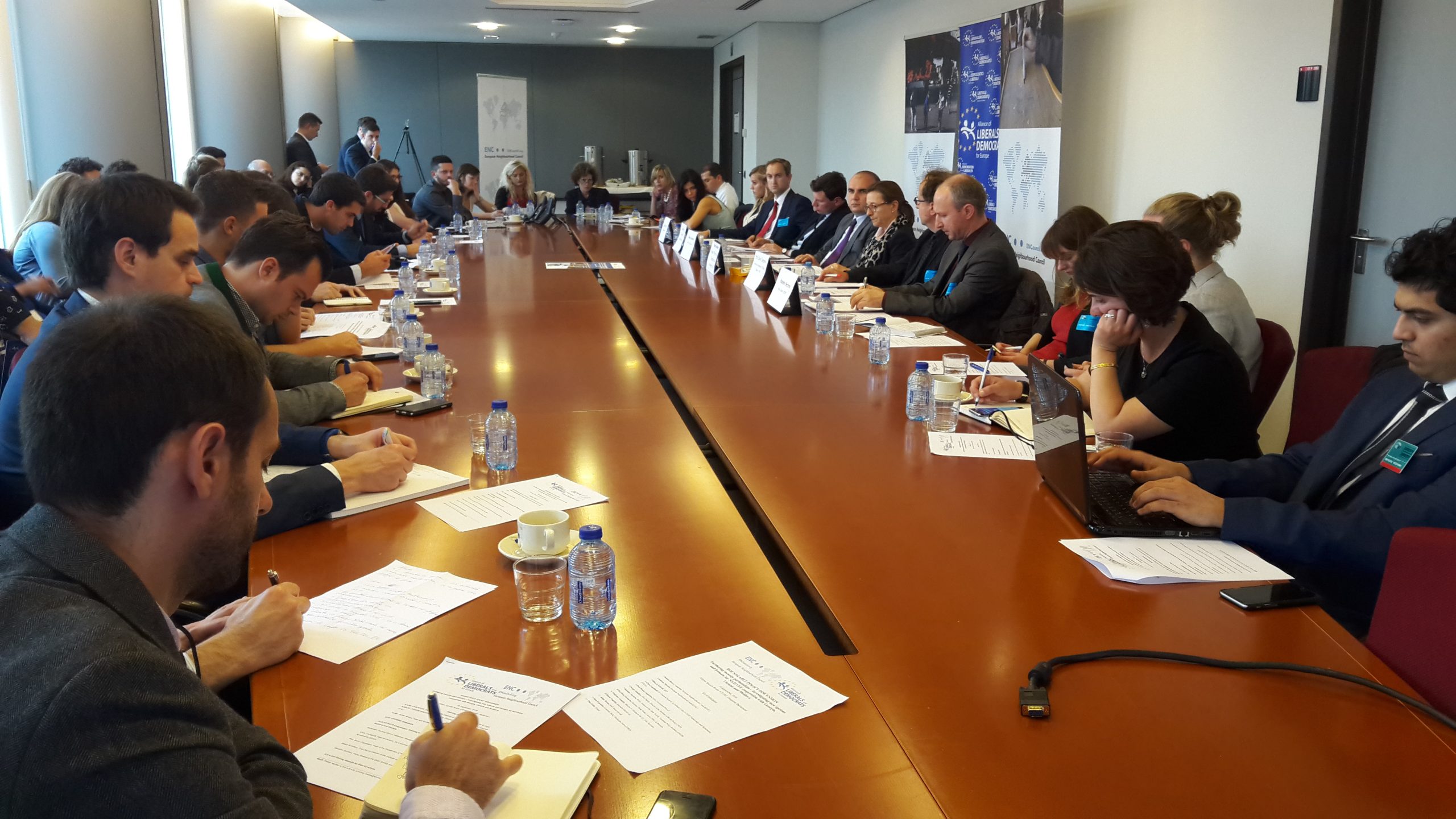
The European Liberal Forum (ELF) and LYMEC – with the support of the European Parliament – organised the two-day conference focusing on “The Future of the European Neighbourhood Policy†which took place in Bucharest, Romania, between 21st and 23rd of November, 2016.
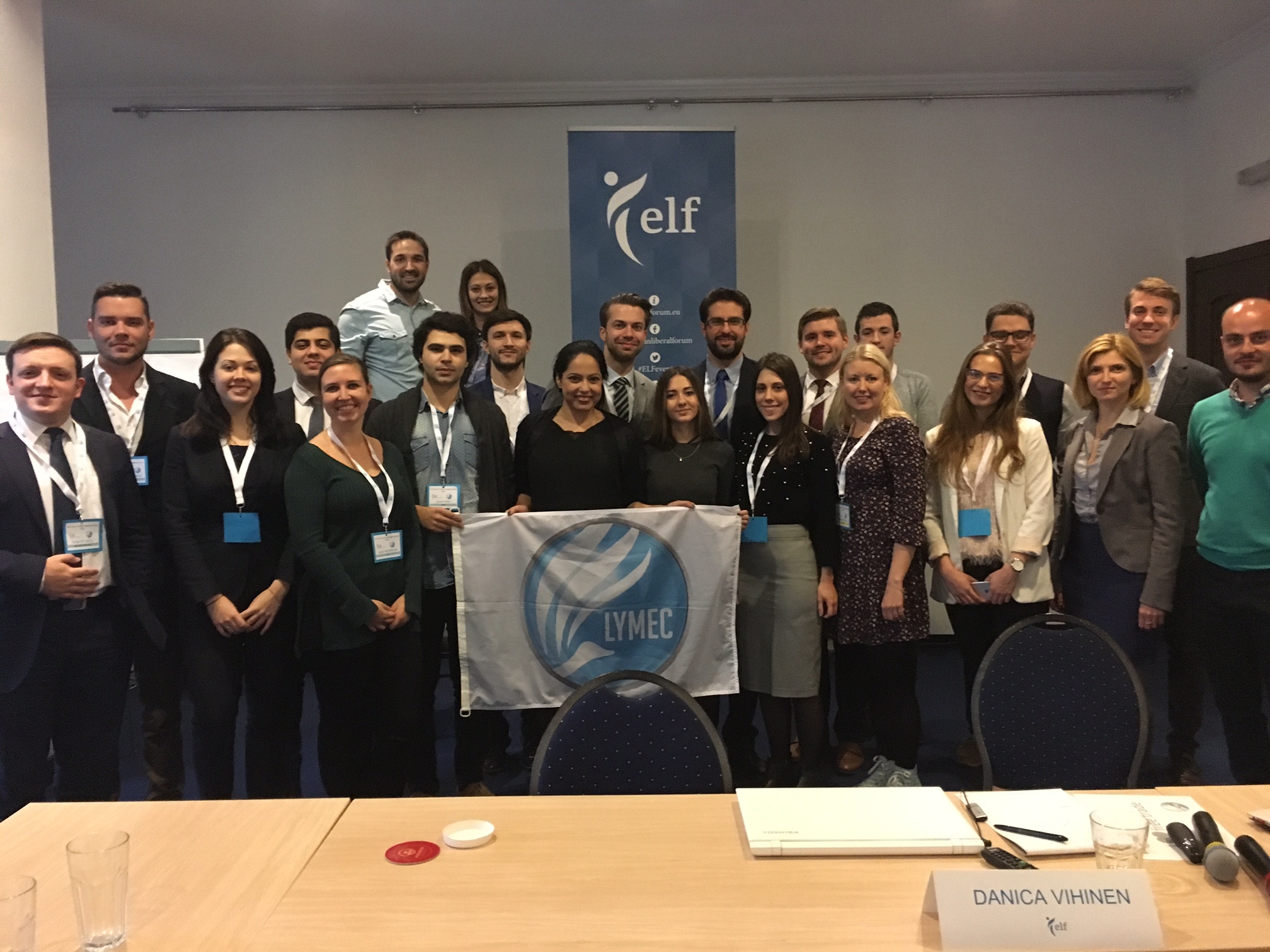
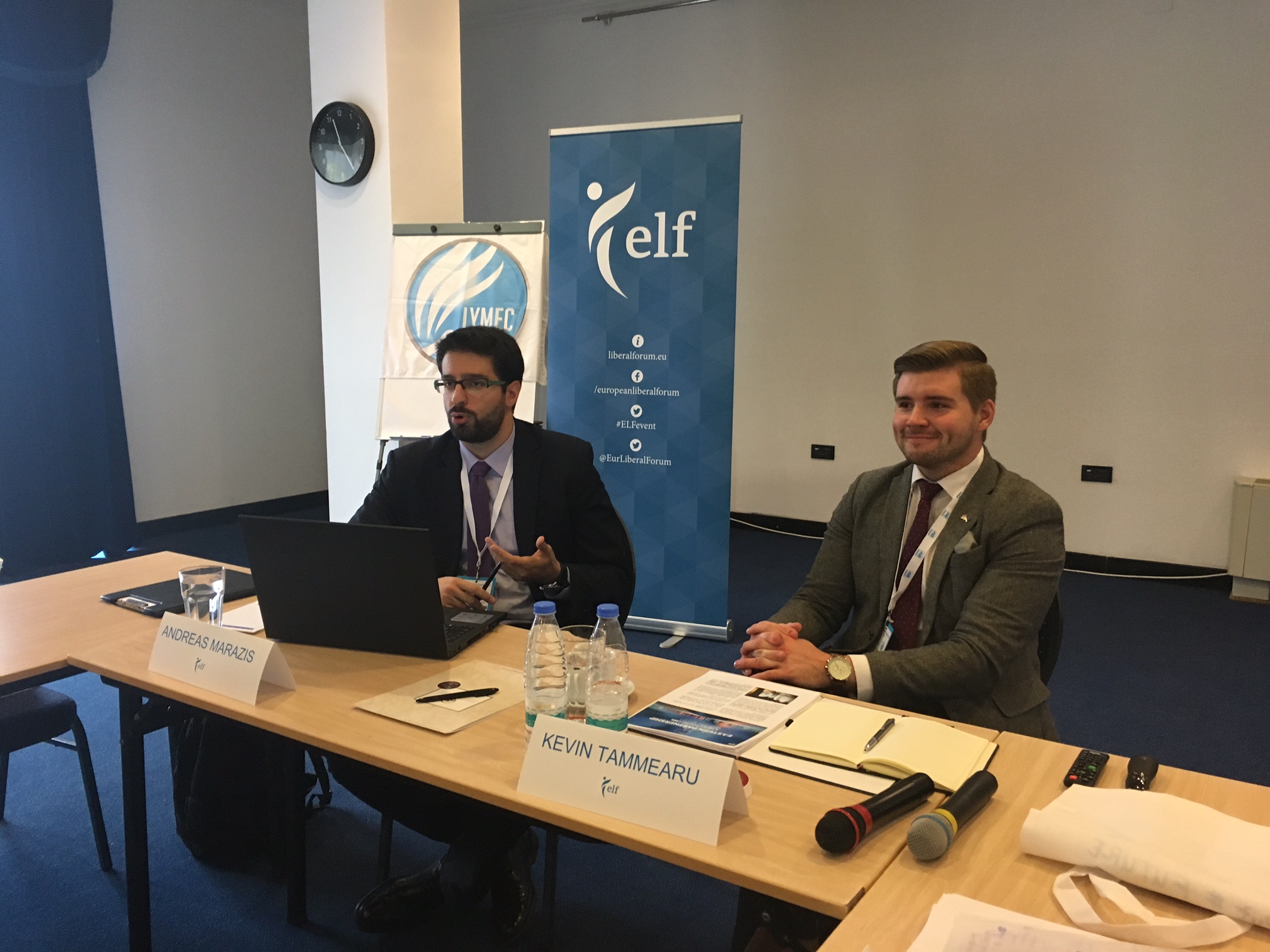
The workshop gathered young liberal members from across European parties and associations to discuss the future of the EU Neighbourhood Policy (ENP) by bringing a mix of EU and non-EU nationals together for policy discussion and briefings. The official foreign and neighbourhood guidelines of ELF and LYMEC were set during these preliminary talks through consultations with ENC and EEAS, which will lead to an official foreign policy resolution later this year. The seminar promoted capacity building for the liberal activists and helped develop the young liberal party association’s views and policies on the EU’s neighbourhood and foreign policy.
Inter-institutional cooperation is the key to move forward
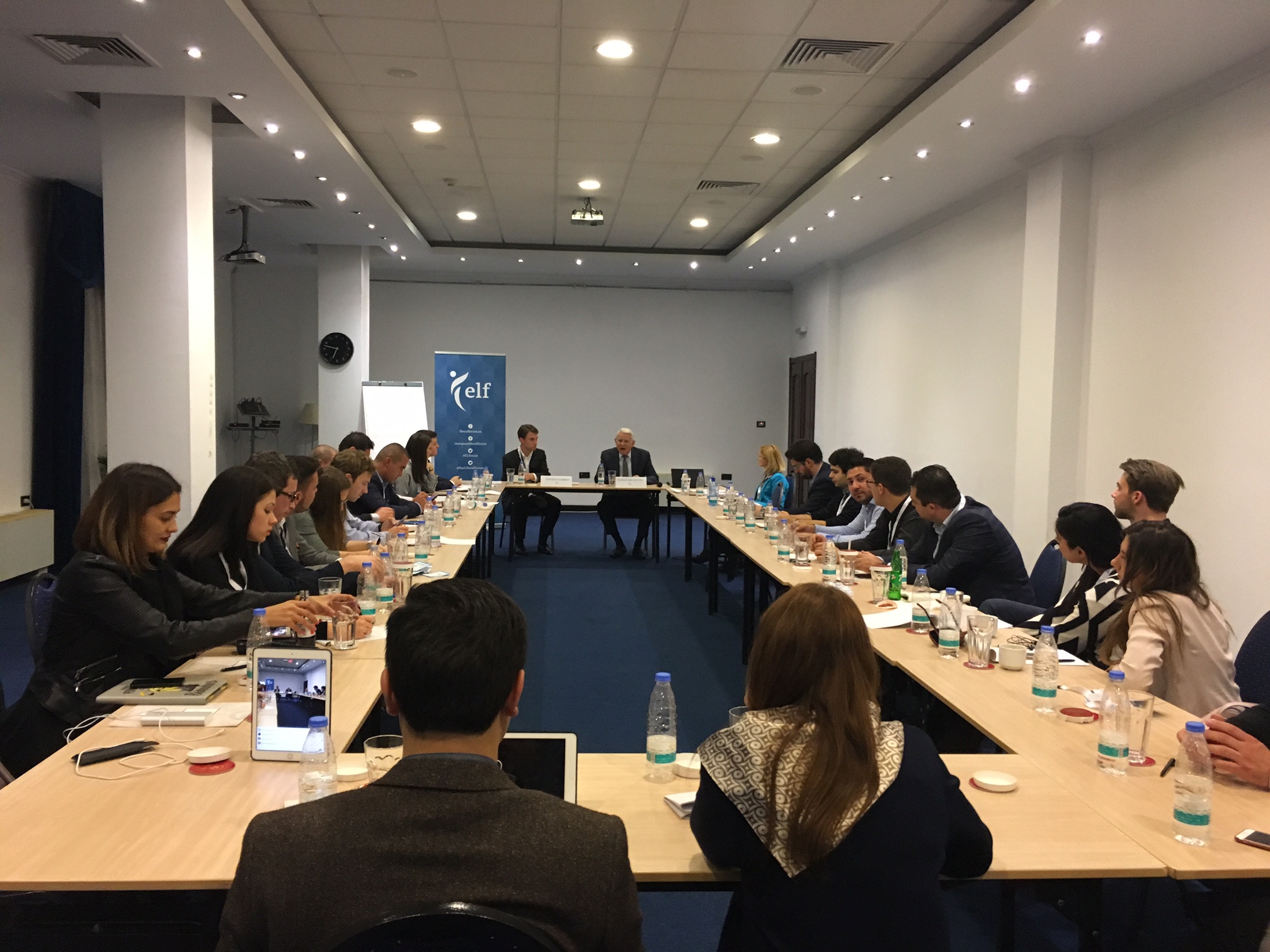
Among the distinguished speakers was Andreas Marazis, Head Researcher for Eastern Europe and Eastern Partnership at ENC. He spoke about the current status and the future prospects of the Eastern Partnership, while noting that the alignment of our partners with the EU’s norms and values of democracy, human rights and rule of law should be the ultimate goal. He highlighted the need for deeper inter-institutional cooperation, especially between the European Parliament, NATO and the EaP members. He noted that it is important to effectively communicate the benefits of reforms, while pushing for stronger links between civil society and academia on one hand and policy-makers on the other.
Unity and Solidarity: Key EU strengths
Mihaela Vasiu, Policy Coordinator, Strategy and Instruments of the European Neighbourhood Policy at EEAS, talked about the current state of affairs of the ENP. According to Vasiu the ENP division (between North and South) should be avoided to encourage further engagement and cooperation. The EU is more influential when it remains united in a common approach, while communicating a single message.
EU Enlargement always on the table
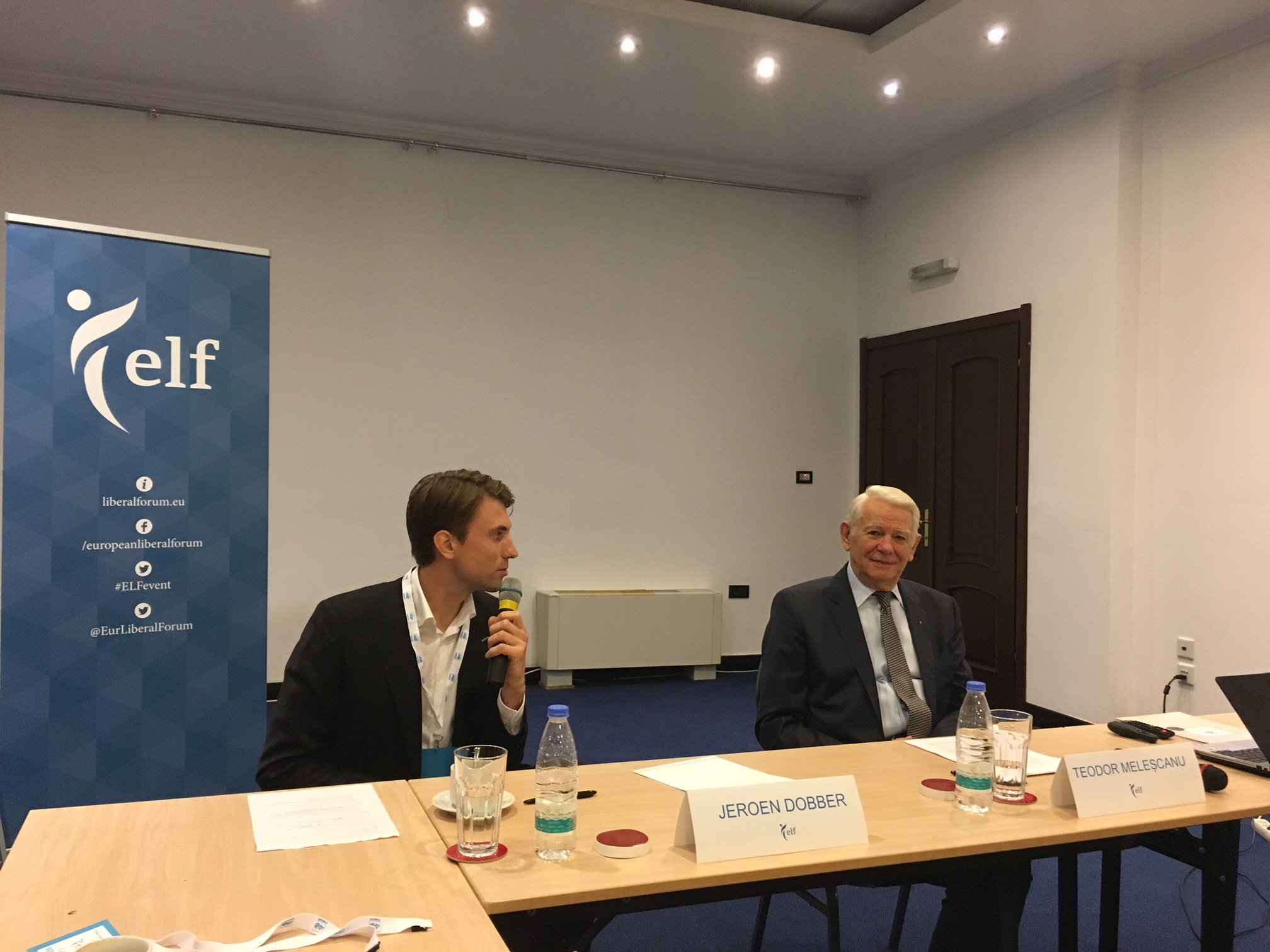
Teodor Melescanu, Vice-president of the ALDE Party Romania and Former Minister of Foreign Affairs of Romania argued in favour of EU enlargement, stating the right of any European geographic country to apply for EU membership. The importance of the Copenhagen Criteria and the Lisbon Treaty remain crucial during the candidacy process for the positive development of fundamental rights, democracy and rule of law, as well as prosperity and stability.
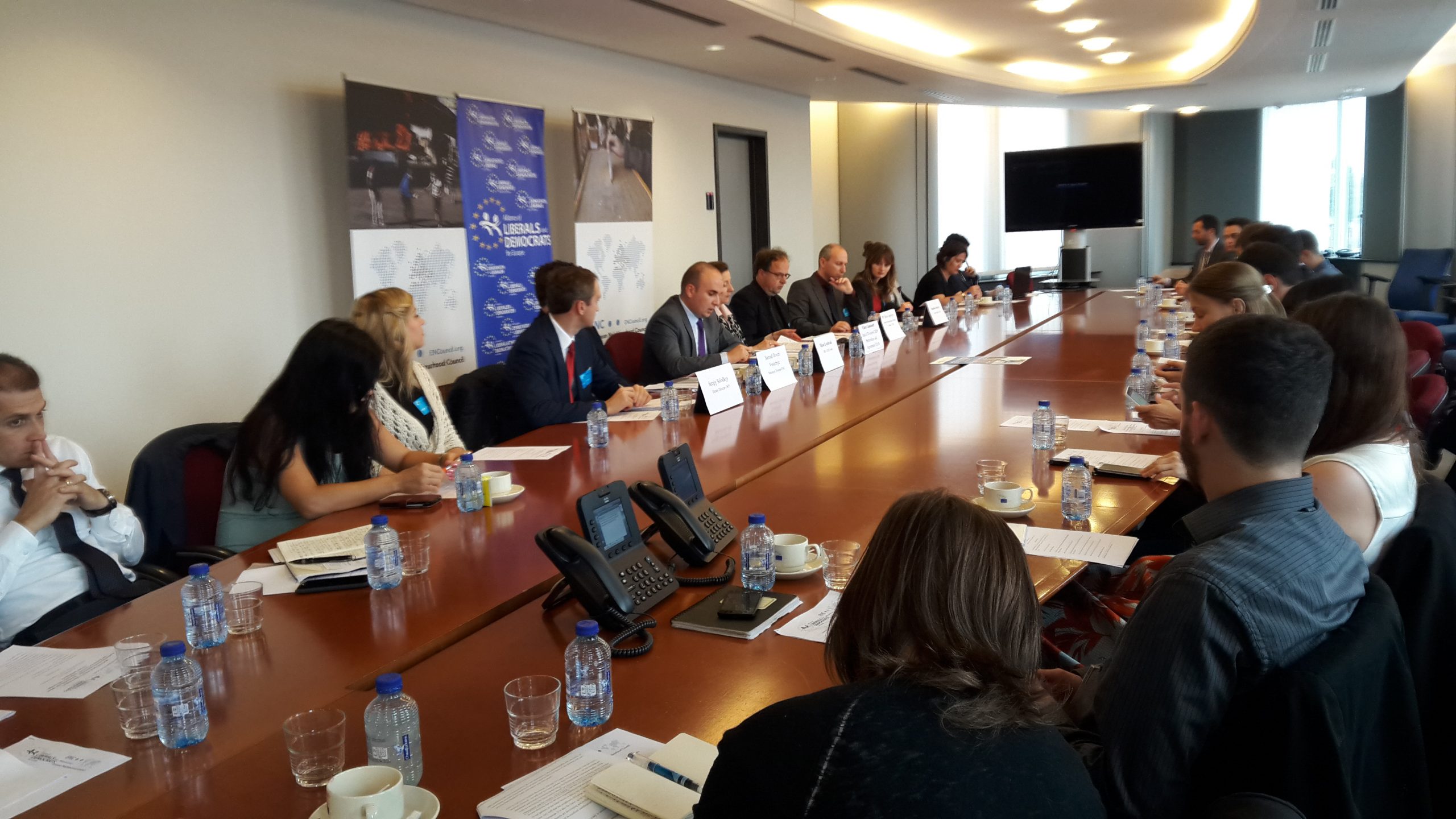
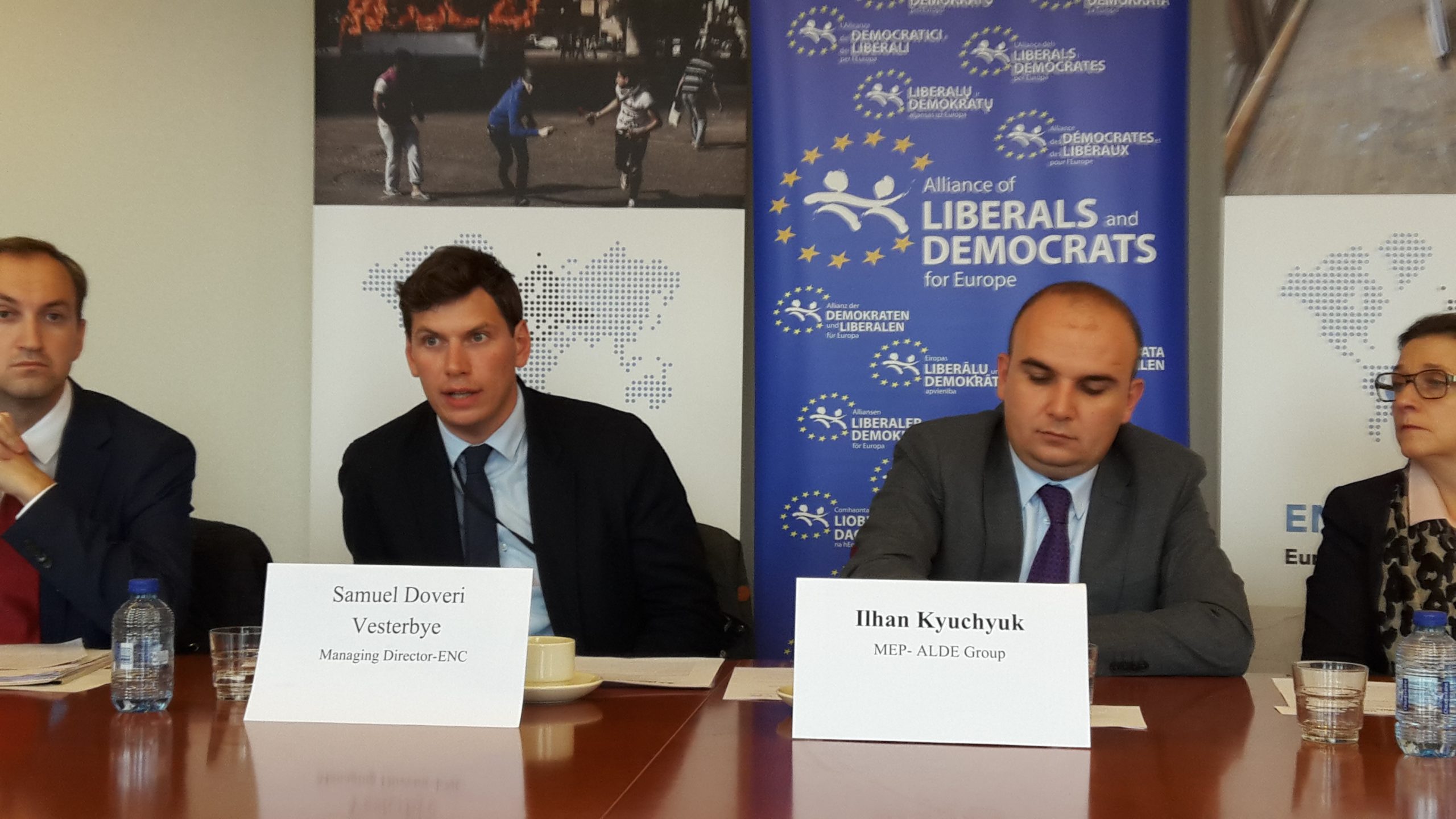

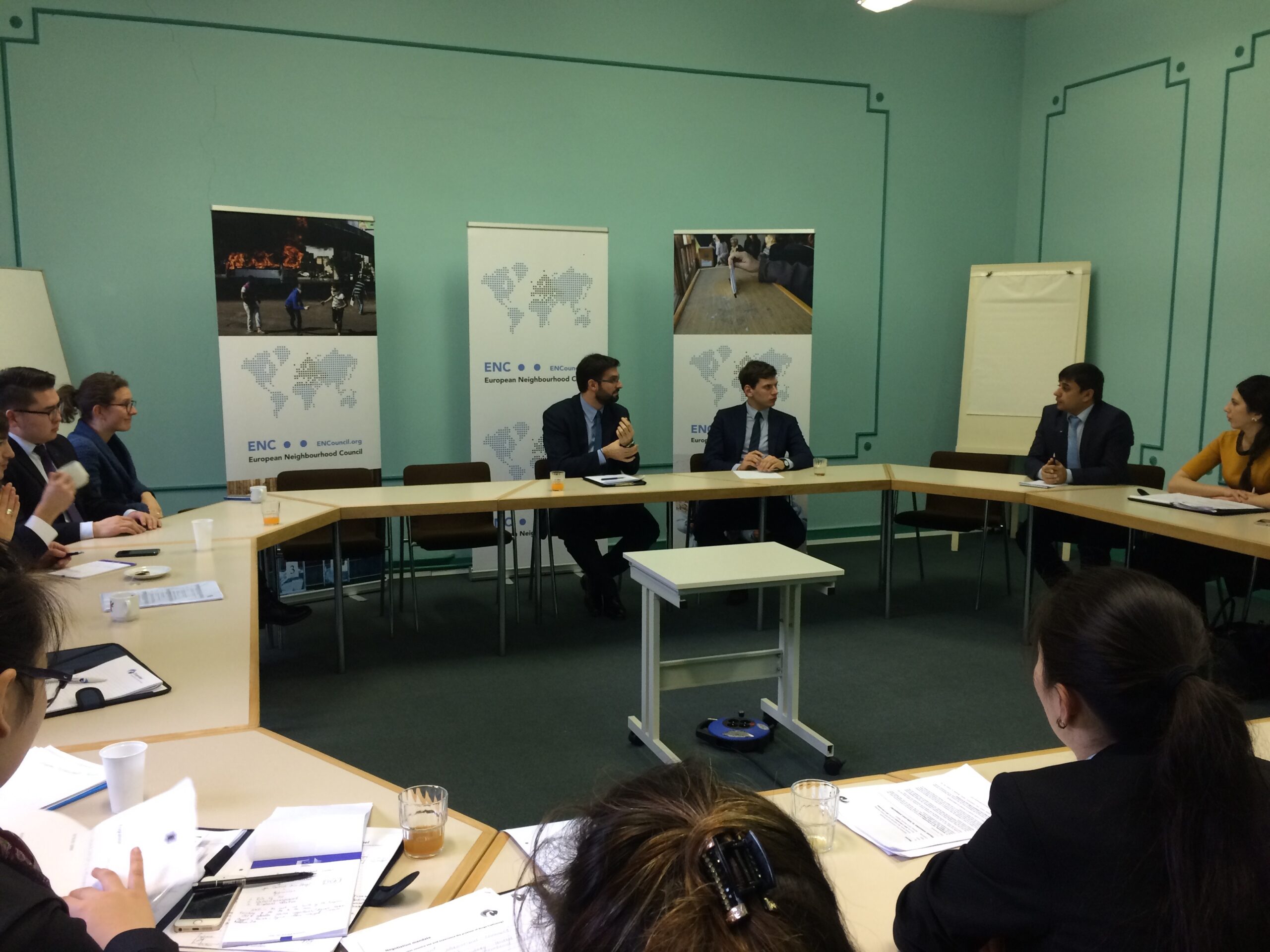 European Neighbourhood Council (ENC) – together with the Clingendael
 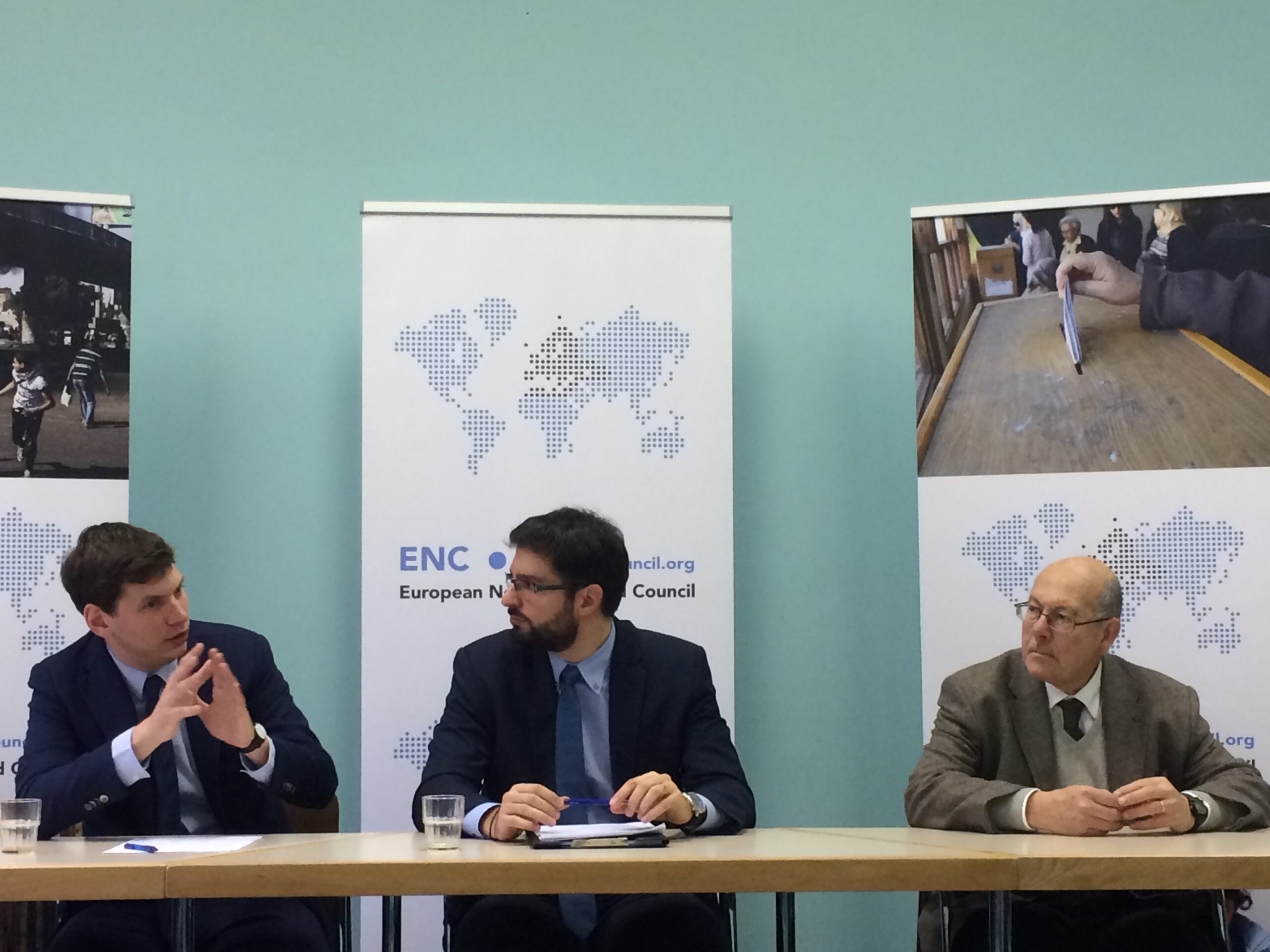 The training session opened with remarks by ENC’s Managing Director Samuel Doveri Vesterbye who presented ENC’s research activities across the wider European Neighbourhood, including also accession countries and Central Asia. Emphasis was put on ENC’s unique organizational structure and academic council, which is made up of university scholars from across most of Eurasia, enlargement countries and North Africa. Mr. Doveri Vesterbye also spoke about the need for increased dialogue, innovation and regional consensus in foreign affairs.
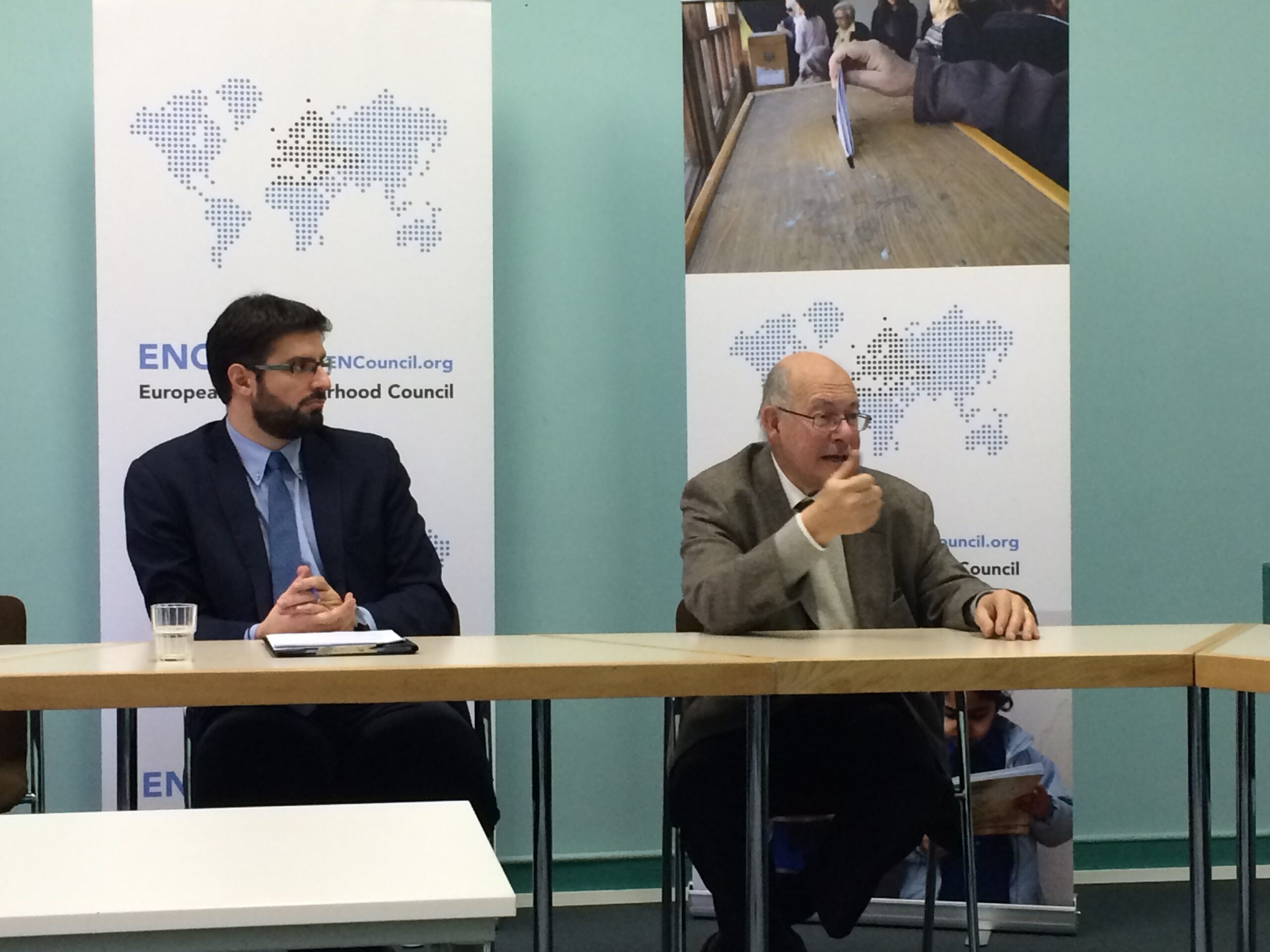 Dr. Andrea Mogni, ENC external advisor and former senior policy coordinator and financial expert at the European External Action Service (EEAS), spoke about the business opportunities and the economic potential that Central Asia and Mongolia have vis-a-vis Europe. He referred to the financial instruments which Central Asian scholars have access to, such as the Horizon2020, which is the biggest EU-funded project, covering scientific and societal matters among other things.
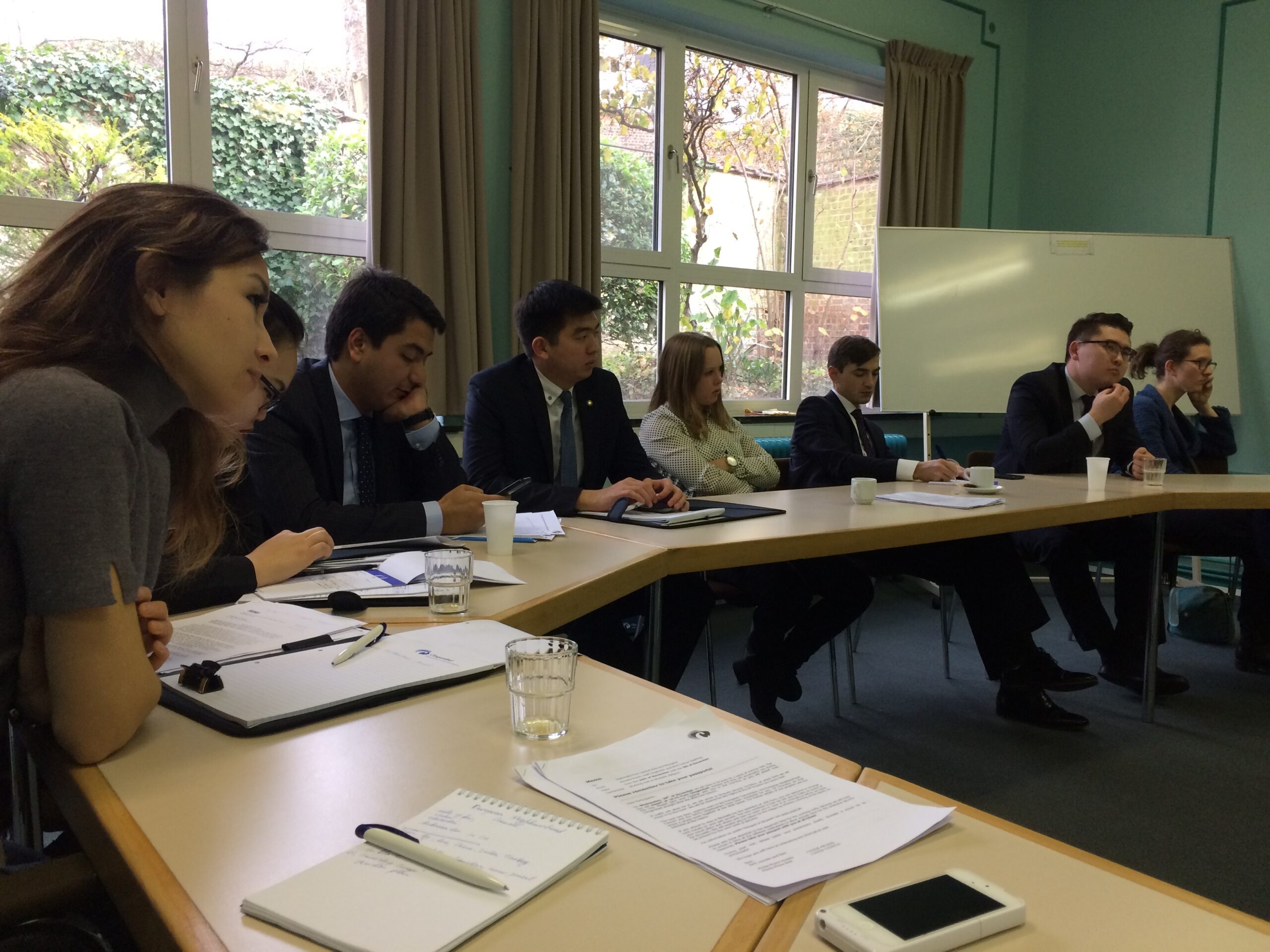 The Training Session for junior diplomats is also part of ENC’s 2017 European Diplomatic Training Program, in which various speakers, including Dr. Mogni, teach diplomats in EU affairs, financial instruments and decision-making.